Frozen Pipes & Furnace Failures: A Chicago Winter Checklist
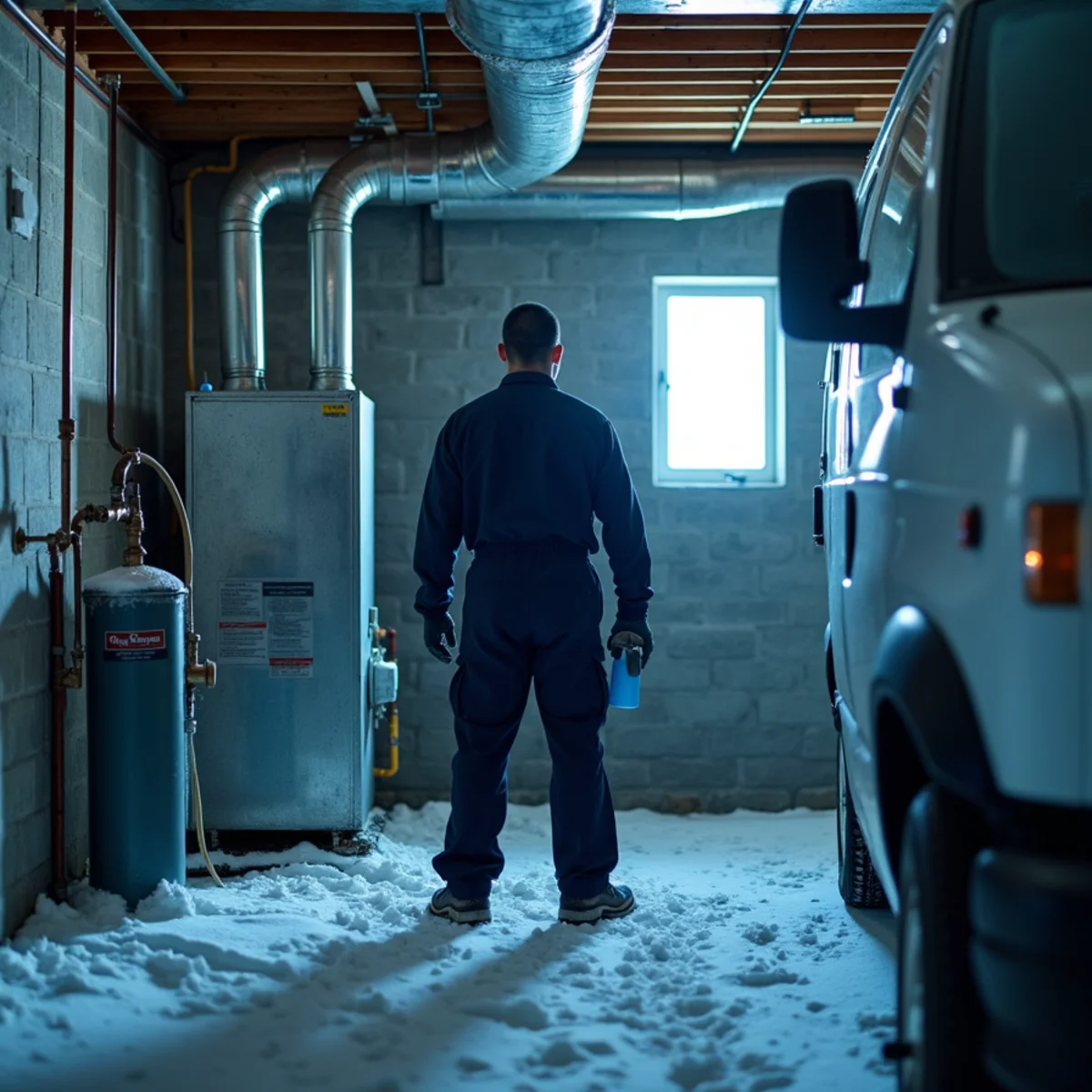
In a Chicago winter, a furnace failure and frozen pipes are two sides of the same emergency. When the heat goes out during a deep freeze, interior temperatures drop fast, and pipes — especially those on exterior walls or in unheated spaces — can freeze, expand, and burst, causing thousands of dollars in water damage on top of the no-heat crisis.
The good news is that both are largely preventable. Here's a practical checklist to protect your home this winter, plus what to do if you're facing a failure right now.
Prevent Furnace Failures Before They Happen
A furnace that fails mid-freeze is what sets the whole disaster in motion, so start there:
- Get a professional heating tune-up in fall to catch problems before the cold.
- Change your filter regularly — a clogged filter is a leading cause of furnace shutdowns.
- Keep high-efficiency furnace exhaust and intake vents clear of snow and ice.
- Don't ignore warning signs — short cycling, odd noises, or weak heat mean it's time for service.
- Test your thermostat and CO detectors before you rely on them.
Protect Your Pipes From Freezing
Even with a working furnace, extreme cold can freeze vulnerable pipes. Take these steps before and during hard freezes:
- Insulate pipes in unheated areas — basements, crawlspaces, garages, and exterior walls.
- Seal air leaks near pipes that let frigid air reach them.
- During extreme cold, let faucets on exterior walls drip slightly to keep water moving.
- Open cabinet doors under sinks on exterior walls so warm air reaches the pipes.
- Keep your thermostat set no lower than 55°F, even when away, and never turn the heat fully off in winter.
- Disconnect and drain outdoor hoses and shut off exterior spigots before the first freeze.
If You're Leaving Town in Winter
An empty house is especially vulnerable — a failure can go unnoticed for days until pipes burst. Before traveling:
- Keep the heat on at 55°F or higher; don't shut it off to save money.
- Have someone check on the home, or install a smart thermostat with low-temperature alerts.
- Consider shutting off the main water supply and draining the pipes for longer trips.
- Make sure your furnace is in good shape before you go.
What to Do If Pipes Freeze or the Furnace Fails
If you catch a frozen pipe before it bursts, keep the faucet open, apply gentle heat (a hair dryer or heating pad — never an open flame), and warm the area. If a pipe has already burst, shut off the main water supply immediately and call a plumber.
If the furnace fails, run through basic checks (thermostat, filter, breaker, furnace switch), protect your pipes as above, and call for 24/7 emergency heating repair. Never use an oven or unvented heater for warmth — both are serious carbon monoxide and fire hazards. Polar answers around the clock to get your heat back before the cold does more damage.
How a No-Heat Night Becomes a Burst Pipe
The two emergencies are linked. When a furnace quits in a deep freeze, the house cools within hours, and pipes on exterior walls or in unheated spaces are the first casualties — they freeze, expand, and split, turning one problem into a flooded second one. Preventing the furnace failure is the real pipe insurance.
That's why a fall tune-up and disciplined filter changes matter beyond comfort. If heat does go out, the holding actions buy time: keep interior doors open, open under-sink cabinets on exterior walls, let those faucets drip, and never improvise heat with an oven or unvented heater. Then get emergency service moving before the cold does expensive damage.
The Polar bottom line
Frozen pipes and furnace failures are among the most costly and preventable Chicago winter emergencies. A fall tune-up, basic pipe protection, and a plan for extreme cold go a long way. And if the worst happens, Polar Refrigeration & Air Control is available 24/7 to restore your heat fast.
Related services & areas