Walk-In Cooler Down? What Chicago Restaurants Should Do First
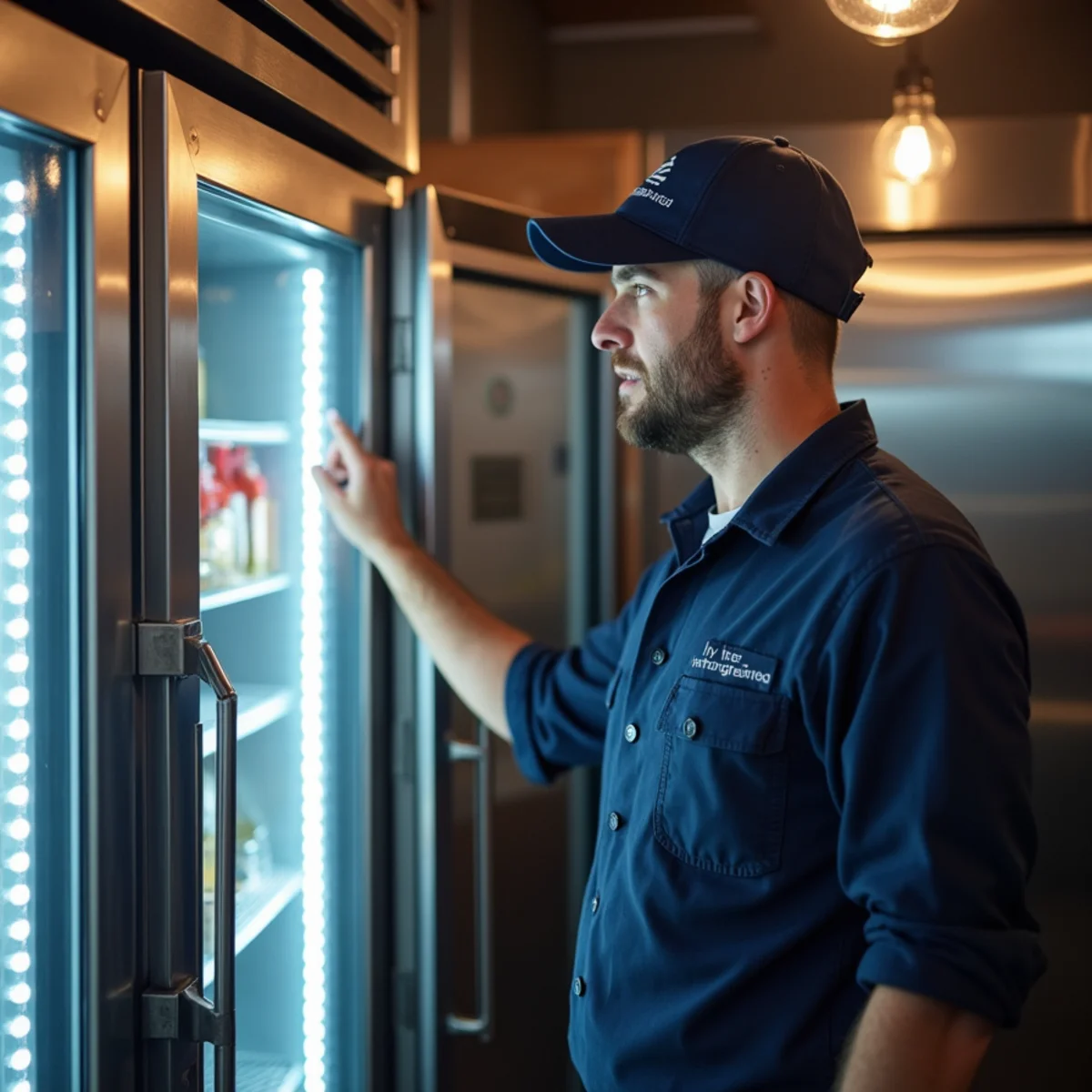
For a Chicago restaurant, grocery, or bar, a walk-in cooler or freezer going down is one of the most expensive emergencies you can face. Every hour that temperatures drift out of safe range puts thousands of dollars of inventory — and your health-code standing — at risk.
When you notice a walk-in isn't holding temperature, the actions you take in the first 30 minutes make a real difference. Here's a clear plan to protect your product and get expert refrigeration help on the way.
Confirm the Problem and Check the Basics
First, verify the unit is actually failing and rule out simple causes before product is at risk:
- Check the temperature reading and compare it to safe thresholds (generally ≤40°F for coolers, ≤0°F for freezers).
- Make sure the door sealed fully and wasn't propped open during a busy service.
- Confirm the unit has power and a breaker hasn't tripped.
- Look for heavy ice buildup on the coils, which can indicate a defrost problem.
- Listen — is the compressor running at all, or is it silent?
Protect Your Inventory Immediately
If the unit truly isn't cooling, act to preserve as much product as possible while you arrange service:
- Keep the doors closed to hold cold air as long as possible.
- Move the most perishable and highest-value items to any working cooler, freezer, or reach-in you have.
- Document temperatures and the time you noticed the problem — you'll want this for insurance and health records.
- If you have access to it, use ice or dry ice as a stopgap for critical product.
- Prioritize by food-safety risk: raw proteins and dairy first.
Understand Food-Safety Time Limits
Food safety leaves little margin. Perishable food held above 40°F for more than a couple of hours generally must be discarded, and a health inspector won't accept guesswork about how long product sat in the danger zone. This is why speed matters and why documentation matters — good temperature records protect you if you need to defend a decision later or file an insurance claim.
When in doubt, follow the 'when in doubt, throw it out' principle for anything that may have been temperature-abused. The cost of replacing product is far less than the cost of a foodborne-illness incident.
Call for 24/7 Emergency Refrigeration Repair
Commercial refrigeration failures don't wait for business hours, and neither do we. Polar Refrigeration & Air Control provides 24/7 emergency commercial refrigeration repair across Chicago and the suburbs, with fast dispatch built around one goal: getting your equipment pulling back down to safe temperature before your losses mount.
Our technicians diagnose compressor, refrigerant, defrost, and control failures quickly and carry common parts to repair on the spot whenever possible. Refrigeration is core to our business — it's in our name — so you're getting specialists, not generalists. When you call, we give you a realistic arrival window so you can make smart decisions about your inventory.
What We Check First on a Down Walk-In
When we arrive at a warming walk-in, we work fast and in order: is the compressor running, is the condenser coil clogged with grease and dust, is the unit stuck in or failing to exit a defrost cycle, and is the refrigerant charge where it should be. In a busy kitchen, a grease-caked condenser coil is the single most common cause we find — and the most preventable.
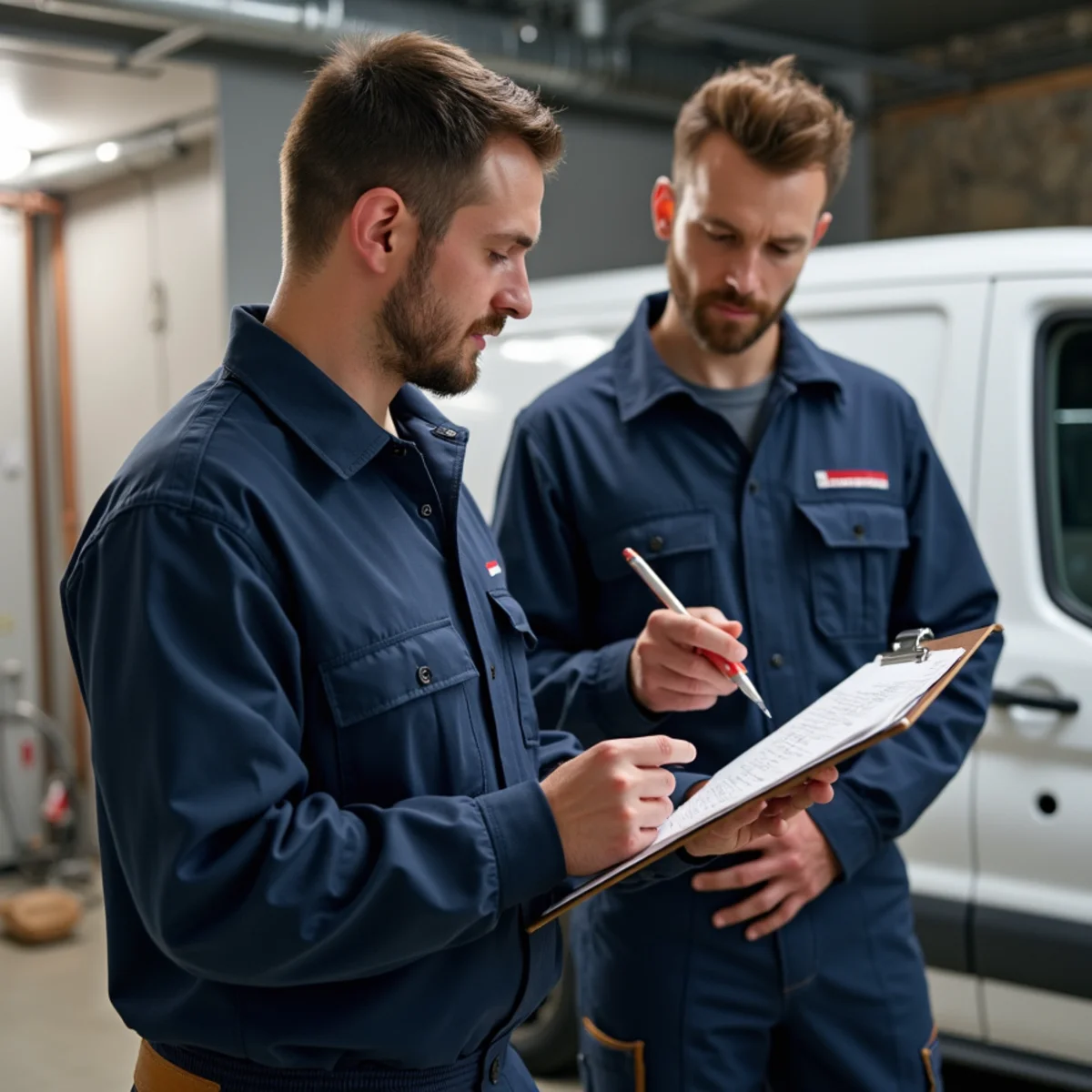
The clock matters more than the diagnosis at first, so we stabilize temperature however we can while we source parts. We also log temperatures on arrival and departure, because that record protects you with the health inspector and your insurer far more than a verbal 'it was only down an hour.'
The Polar bottom line
A down walk-in is a race against the clock. Confirm the failure, protect your highest-risk inventory, document temperatures, and call for 24/7 emergency refrigeration repair. Polar's refrigeration specialists are ready around the clock to keep your Chicago food business running.