
Heating a 100-Year-Old Chicago Two-Flat Efficiently
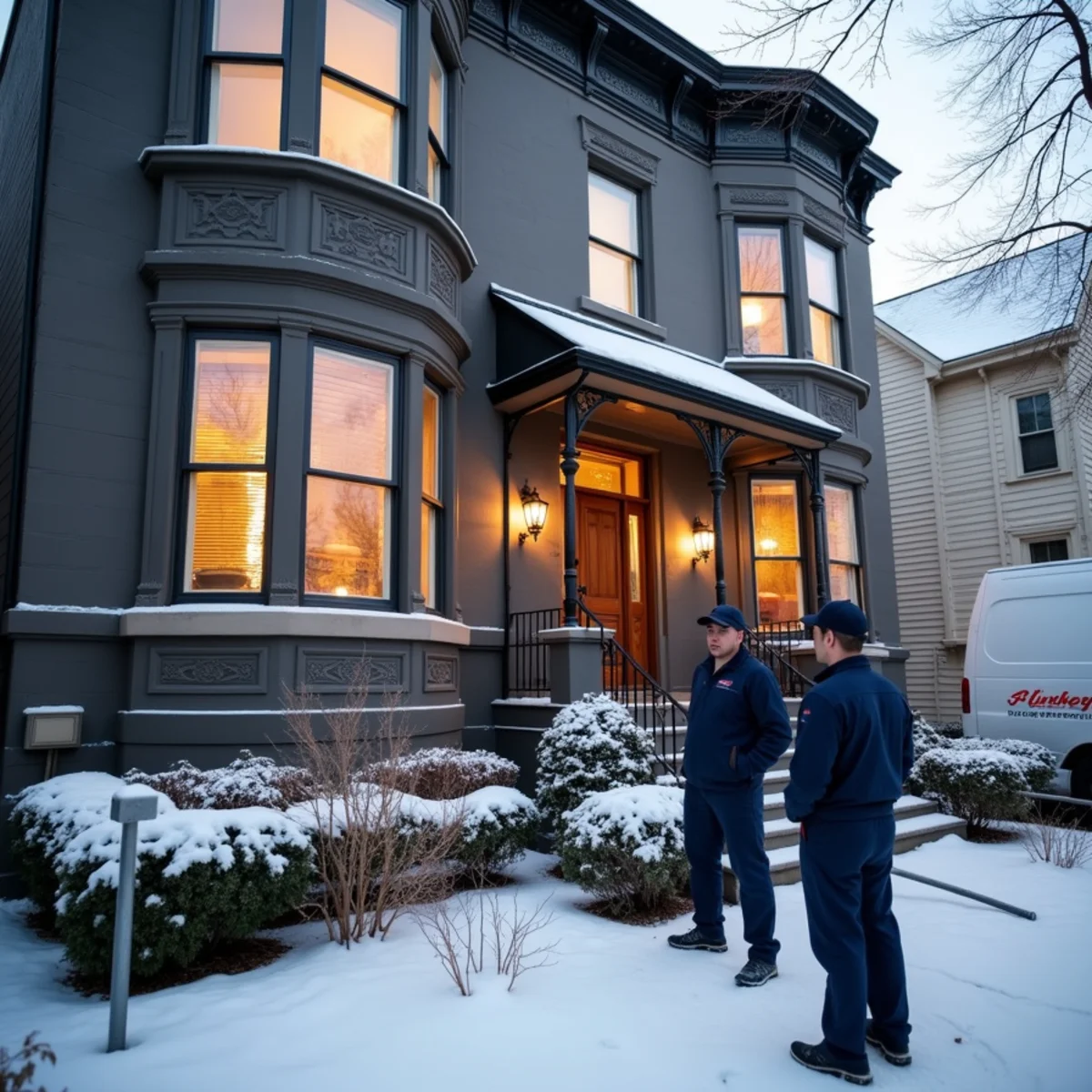
The Chicago two-flat is one of the city's most iconic building types — sturdy brick and greystone structures, many now approaching or past a century old, housing two units stacked or side by side. They're wonderful buildings, but heating them efficiently comes with real challenges that a contractor unfamiliar with them often gets wrong.
Whether you live in one unit and rent the other, or manage a two-flat as an investment, here's how to keep it warm and efficient without tearing it apart.
Understanding the Two-Flat's Heating Setup
Two-flats were typically built with hydronic boiler heat — a single boiler in the basement feeding radiators throughout both units. Some have since been converted to separate forced-air furnaces per unit, and others still run on the original (or a replacement) shared boiler. Each arrangement has different efficiency and control implications.
The key question for owners is often about control and metering: who controls the heat, how it's split between units, and how to keep both comfortable without wasting energy. Understanding your current setup is the first step to improving it.
Upgrading the Boiler
If your two-flat runs on an old boiler, replacing it with a modern high-efficiency condensing boiler is often the single biggest efficiency gain available. Older boilers can operate well below 70% efficiency, while a new condensing unit reaches into the 90s — a dramatic reduction in fuel use over Chicago's long heating season.
A boiler upgrade keeps the comfortable, even radiant warmth that makes these homes pleasant while cutting bills. We size the new boiler to the building and its distribution, handle the permit, and can improve controls at the same time.
Adding Zoning for Control
One of the most valuable improvements for a two-flat is zoning — the ability to control heat separately for each unit or floor. Zoning improves comfort (no more one unit roasting while the other is cold), reduces waste from heating unoccupied or already-warm spaces, and can simplify the landlord-tenant question of who controls and pays for heat.
For hydronic systems, this can be done with zone valves and separate thermostats. It's a targeted upgrade that pays off in both comfort and efficiency without major construction.
Insulation, Air Sealing, and Windows
No heating system can be efficient in a leaky building. Century-old two-flats often have minimal insulation and significant air leakage, which means you're paying to heat air that escapes. Improving attic insulation, sealing air leaks, and addressing drafty original windows dramatically reduce heat loss.
These improvements complement any HVAC upgrade and often deliver the best return of all — a well-sealed, well-insulated two-flat with a right-sized modern boiler is comfortable and affordable to heat even in a Chicago winter.
Adding Cooling Without Ducts
Two-flats with boiler heat have no ductwork for central air, but that doesn't mean window units are your only option. Ductless mini-splits provide efficient, zoned cooling (and supplemental heating) for each unit without invasive ductwork — an ideal match that preserves the building's character while modernizing comfort. It's a popular upgrade that adds value and tenant appeal.
The Upgrades That Pay Off in a Two-Flat
In a century-old two-flat, the biggest efficiency win is almost always the boiler itself. Original boilers can run well under 70% efficiency; a modern condensing unit reaches the 90s and cuts fuel use dramatically over our long heating season, all while keeping the even radiant warmth these buildings are known for.
The second win is control. Adding zone valves and separate thermostats so each unit manages its own heat solves the classic two-flat problem — one unit roasting while the other is cold — and clarifies the landlord-tenant question of who controls and pays for heat. Paired with attic insulation and air sealing, it turns an expensive-to-heat building into a comfortable, efficient one without a gut renovation.
The Polar bottom line
A 100-year-old Chicago two-flat can be warm, comfortable, and efficient with the right approach — a modern boiler, zoning, insulation, and ductless cooling — no gut renovation required. Contact Polar Refrigeration & Air Control for expert advice on getting the most from your classic Chicago building.
Related services & areas