Surviving Chicago Winters: Get Your Heating System Ready
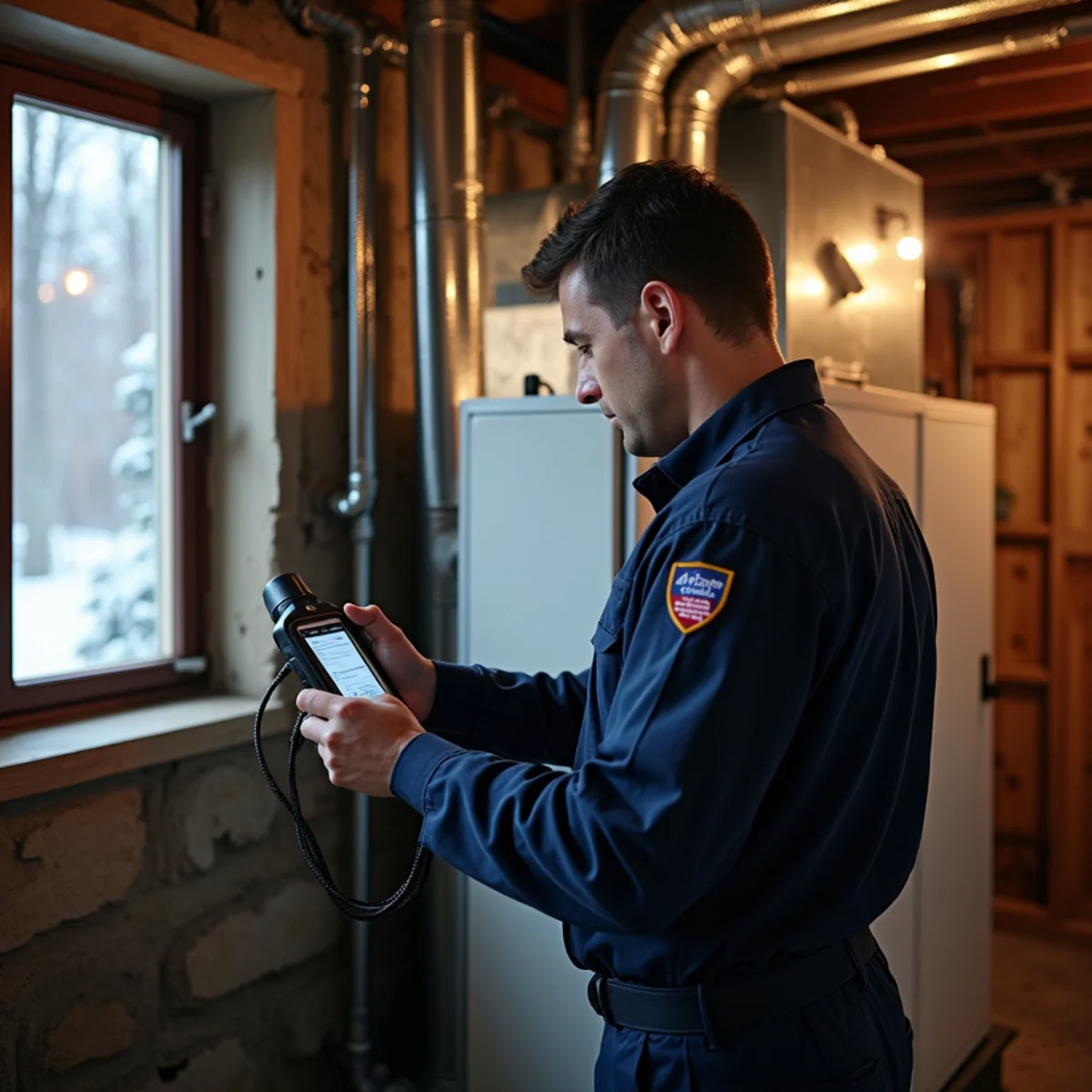
Chicago winters are relentless. With roughly 5,974 heating degree days a year and stretches of subzero cold, your heating system does more work here than in almost any other part of the country. The worst time to discover a problem is at 2 a.m. during a polar vortex — which is exactly when unprepared systems fail.
Getting your heating system ready before the first hard freeze is the best insurance against a cold-weather emergency. Here's your Chicago winter heating-prep checklist.
Schedule a Fall Heating Tune-Up
The most important step is a professional heating tune-up in early fall, before the rush. A thorough tune-up checks combustion and safety, tests the igniter, flame sensor, and controls, inspects the heat exchanger, verifies proper temperature rise, and cleans critical components.
Booking early matters: if your system needs a part, it can be ordered and installed calmly in October rather than during the mid-January scramble when every contractor is buried in emergency no-heat calls.
Handle the Simple Things Yourself
A few easy tasks make a real difference before winter:
- Replace your furnace filter and stock up on spares for the season.
- Test your thermostat by running the heat before you rely on it — upgrade to a programmable or smart model if yours is old.
- Clear the area around your furnace or boiler of stored items for safe airflow and access.
- Make sure high-efficiency furnace intake and exhaust vents outside are clear and won't get buried by snow.
- Check that supply and return vents inside aren't blocked by furniture or rugs.
Prioritize Carbon Monoxide Safety
Heating season is carbon monoxide season. As your furnace or boiler runs for months, a cracked heat exchanger or blocked vent can leak CO into your home — and it's colorless and odorless. Before winter:
- Test every carbon monoxide detector and replace batteries; add detectors on every level if you don't have them.
- Have a professional inspect the heat exchanger and venting during your tune-up.
- Never use an oven, grill, or unvented heater for supplemental heat.
Consider Whether to Repair or Replace Before Winter
If your furnace or boiler is aging, struggled last winter, or needed repeated repairs, fall is the time to decide whether to replace it — on your schedule, at a fair price — rather than being forced into an emergency replacement mid-freeze at a premium.
We'll give you an honest assessment of your system's condition and, if replacement makes sense, lay out efficient options with financing so you head into winter with a system you can trust.
Have an Emergency Plan
Even a well-prepared system can fail in extreme cold. Know how to respond: keep our 24/7 number handy, know where your furnace switch and gas shutoff are, and understand the steps to protect your pipes if the heat goes out. Being prepared turns a potential disaster into a manageable inconvenience.
The Fall Move That Saves You in January
The homeowners who sail through Chicago winters almost all do the same thing: they book heating service in early fall. The reason is simple logistics. If your furnace needs a part, October is calm and parts are in stock; January is a scramble when every contractor is buried in no-heat emergencies and the same part may be days out.
A real tune-up also catches the two things that turn a cold snap into a crisis — a marginal igniter or flame sensor about to fail, and a heat-exchanger or venting issue that's a genuine safety concern. Handling those in the fall, on your schedule, is far cheaper and safer than discovering them at 20 below.
The Polar bottom line
A Chicago winter is no place for an unprepared heating system. Schedule a fall tune-up, handle the simple prep, prioritize CO safety, and address an aging system before it fails. Contact Polar Refrigeration & Air Control to get your heating ready — and to be your 24/7 backup if winter throws its worst at you.
Related services & areas